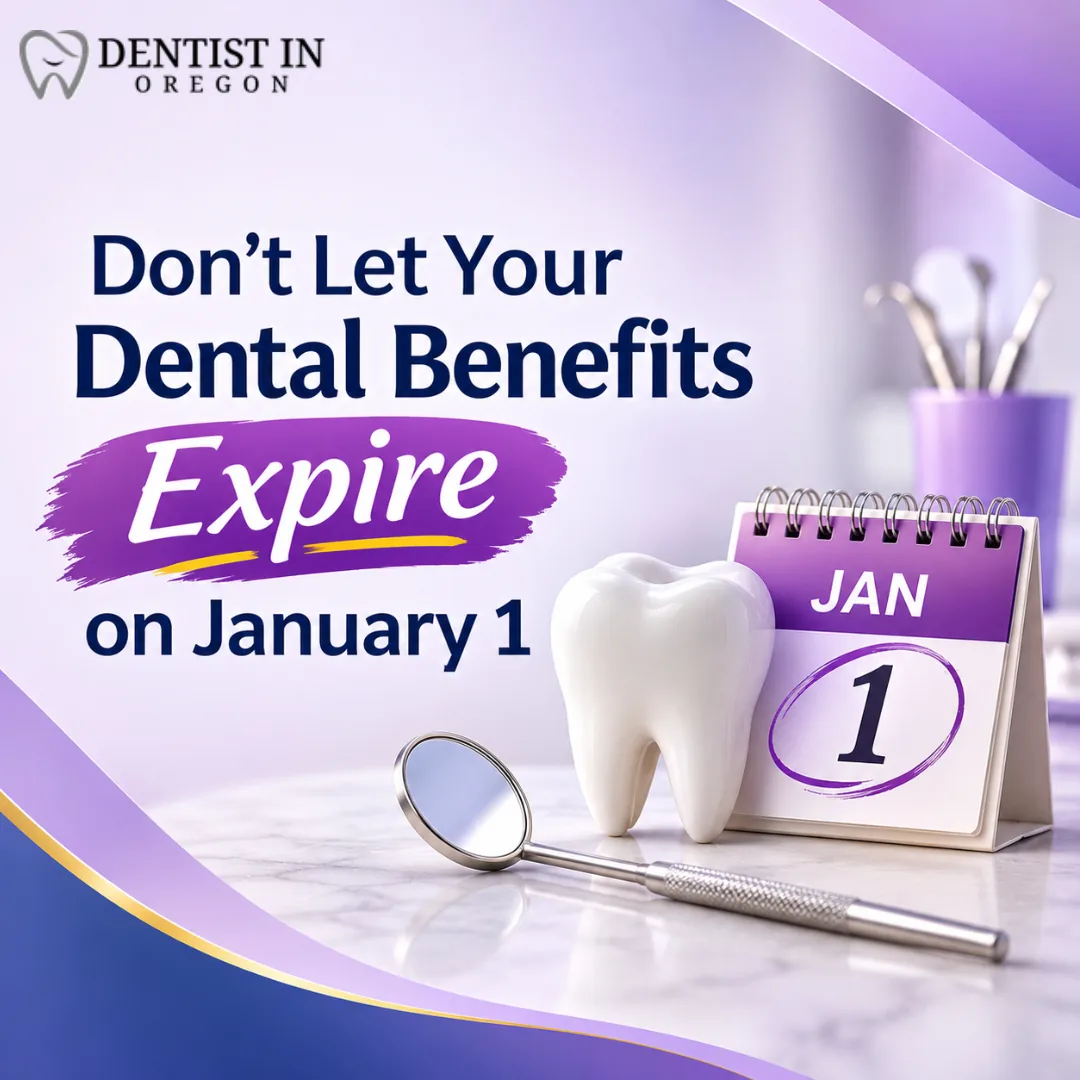
A toothache near year-end can bring an unwelcome surprise: dental benefits may expire before a person can use them. Many plans reset on January 1, and unused benefits often do not carry over. The benefits of dental insurance can help cover care, but each plan has its own rules.
A quick review of plan types, coverage, and year-end steps can help people make the most of their remaining benefits. A little planning can go a long way.
Many dental plans end their benefit year on December 31. Unused benefits may expire on January 1, though plan rules vary. Patients often tell their dental team they thought unused benefits would carry over. A quick review of the plan can show whether benefits reset or roll over.
Many people don’t know there are different kinds of dental insurance plans. Some plans focus only on dental care, while others combine it with medical benefits.
A stand-alone dental plan covers dental care apart from medical coverage. A patient may learn at a first visit that an out-of-network dentist costs more, so checking the plan’s network can help avoid surprises.
The plan also sets its own coverage and cost limits. Some plans bundle dental coverage with vision and hearing benefits.
All-in-One DVH plans bundle dental, vision, and hearing benefits in one plan. Dental coverage and costs vary, so members should check what the plan pays for before scheduling care.
Medicare Advantage Plans include dental benefits. These plans combine health and dental coverage for seniors. A person can get preventive services, like cleanings and check-ups, without extra costs.
People often miss out on some key treatments under these plans. Major procedures may have strict rules or waiting times that can catch them off guard. It's wise to ask a dentist what services are available through their Medicare Advantage Plan before January 1. Using benefits wisely helps avoid losing valuable coverage at the deadline.
Pre-Paid HMO plans cover dental care for a set fee. They work with specific dentists in a network. People pay a monthly premium to access these services. Patients usually need to choose a primary dentist within the plan.
These plans often focus on preventive care. Routine check-ups and cleanings are typically included at no extra cost. Basic procedures, like fillings, may also be covered for low co-pays. However, patients might face limitations on which services they can use each year and where they can go for treatment.
Pre-Paid HMO Plans can offer great options, but many may not know about Discount Plans. These plans usually cost less than traditional insurance. They don’t pay for services like regular coverage does. Instead, members get discounts on dental care from different providers.
With a Discount Plan, patients pay an annual fee. This gives them access to lower prices on treatments and check-ups. A first-hand experience shows that people appreciate the savings they gain on cleanings and fillings.
It’s often easier to find a dentist who accepts these plans too. Those seeking affordable care might find this plan fits well with their needs while keeping dental expenses manageable.
Discount plans can save money, but many people overlook their spouse's employer dental plan. This option often provides solid coverage at little to no cost for the insured. The plan might cover preventive care, like cleanings and check-ups, which helps keep teeth healthy.
Using a spouse’s dental benefits is straightforward. Check with the HR department for details on what is covered and how to enroll. Sometimes, these plans offer better rates than standalone options or individual policies. It's worth exploring to see if it meets your needs well before January 1 comes around.
Many people overlook important coverage options in their dental plans. These options can help with check-ups, cleanings, and even more serious work. Missing out on these benefits can leave money on the table. It's worth checking what you have! Read on to discover what else you might be missing.
Preventive care benefits help keep teeth and gums healthy. They often include cleanings, check-ups, and X-rays. These services catch problems early before they become serious. Regular visits can save money down the road by avoiding costly treatments.
People can use these benefits without worrying too much about costs. Insurance plans usually cover 100% of preventive care procedures. So there’s no reason to skip them! Taking advantage of these services means brighter smiles and healthier mouths for everyone involved.
In benefit reviews, patients often find that a filling and a crown can fall into different coverage groups.
| Procedure group | Common examples | What to check |
|---|---|---|
| Basic | Fillings, simple extractions | Plan coverage and patient cost |
| Major | Crowns, bridges, dentures | Coverage level, limits, and approval rules |
Plan details vary, so patients can ask their dentist to review costs before care begins. These procedure groups can affect how much of the annual maximum remains before January 1.
Using dental benefits before January 1 is crucial because unused benefits often vanish with the new year. Many plans have limits on how much they cover annually, so it pays to take advantage of those perks while you can. Waiting too long could mean missing out on necessary care or leaving money on the table.
Most dental plans have annual maximums. This is the most money your insurance will pay in a year. If you don’t use all of it, those dollars typically vanish at year's end.
Some plans offer rollover rules. These allow you to carry over some unused benefits into the next year. However, not every plan has this option. It's crucial to check your policy details to understand how these rules affect your benefits.
Waiting periods can be tricky. Many dental plans have a waiting time before certain services kick in. This means people may need to wait weeks or months for procedures like crowns or bridges. If someone wants to use their benefits right away, they should check the plan details.
Restrictions often apply too. Some plans limit coverage for specific treatments each year. For example, there might be caps on how many cleanings one can get in 12 months. Knowing these limits helps people plan their appointments better and avoid any surprises at the dentist's office.
Schedule your dental appointments soon to use up those benefits. Talk with your dentist about any treatments you need. Don’t let the year end without taking full advantage of what you have.
People often wait too long to visit the dentist. This can mean losing dental benefits when the new year starts. Here are some helpful points for scheduling appointments before the year ends:
Taking care of dental health is vital, especially as benefits near expiration every year-end, so act swiftly!
Talk to your dentist about any needed procedures. This can help you make the most of your dental benefits.
Taking these steps will lead to better decisions about dental care and next year’s plan options.
Choosing a dental plan for next year can feel tricky. It's important to compare costs and coverage options. Look at what you need and what fits your family best. Don't skip this step! A good plan can save money and keep smiles bright. For more tips on picking the right plan, check out the rest of this guide!
In practice, patients may find that a low monthly premium comes with higher visit costs or fewer in-network options.
| What to Compare | What to Check |
|---|---|
| Plan network | Is the preferred dentist in network? |
| Monthly premium | What does coverage cost each month? |
| Deductible | How much must the patient pay first? |
| Visit costs | What are the copays or coinsurance? |
| Out-of-network care | Does the plan cover it, and at what cost? |
| Family coverage | How do premiums and limits change for dependents? |
Selecting between family and individual coverage requires careful consideration. Family plans typically encompass all members of a household under a single policy. This can be more straightforward and occasionally more affordable than separate plans for each person.
Individual coverage suits those who may require specialized care or have distinct needs. It offers the freedom to choose providers or procedures customized to one's circumstances. Each alternative presents its advantages, so it's essential to evaluate what aligns best with dental needs and budgets. A family plan may result in overall savings, while individuals might favor greater control over their care options.
Many dental plans reset on January 1. Unused benefits, such as your annual maximum, may not carry over. Check your plan, since dates can vary.
Your plan may cover checkups, cleanings, or needed treatment. If you wait, unused benefits could disappear like last year’s calendar.
Call your dentist and ask about open appointments. Check your coverage, deductible, and annual maximum first, so you know what your plan may pay.
No. Some plans use a different renewal date, and coverage rules vary. Review your plan or call your insurer to find out when your benefits reset.
Tell us a little about what you need — we'll be in touch shortly.
3555 Navarre Ave #12, Oregon, OH 43616, United States
Hi! I'm Tooth fairy! Your AI Assistant Ask me anything