Removing the source of the pain, saving the tooth.
A root canal isn't the painful ordeal it used to be — it's how we stop the pain. When decay or injury reaches the nerve, root canal treatment at our Oregon, Ohio office removes the infection, seals the tooth, and saves it from extraction, usually in one or two comfortable visits under local anesthetic. Ignoring an infected tooth risks abscess and tooth loss; treating it typically feels like getting a large filling. If you have lingering pain, temperature sensitivity, or swelling, don't wait. Call 419-690-0320 — same-day evaluation slots are available.
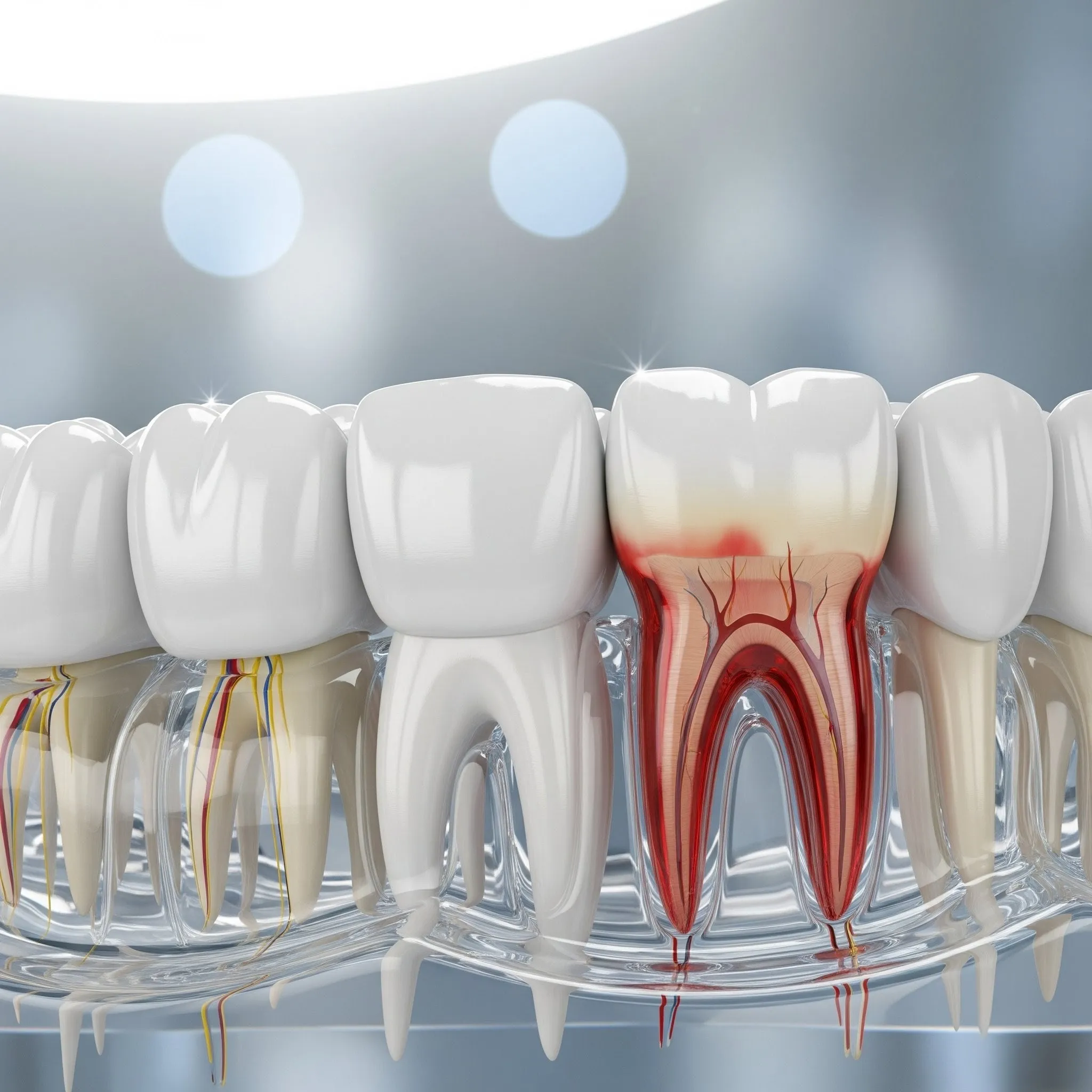
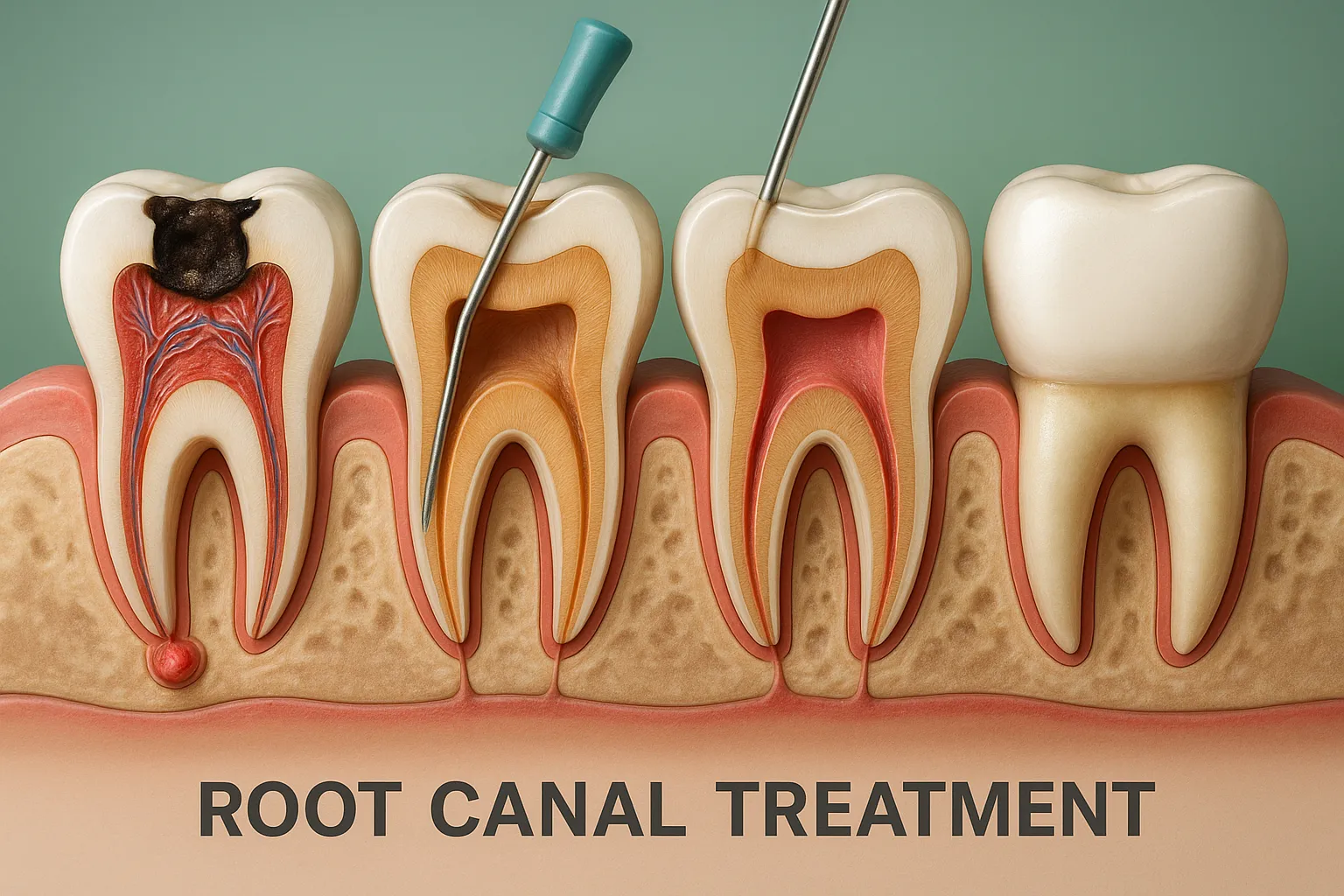
Root canal treatment is a dental procedure used to repair and save a tooth that is badly decayed or infected. The treatment involves removing the damaged pulp, cleaning the inside of the tooth, and sealing it.
A root canal becomes necessary when the tooth's pulp becomes inflamed or infected due to deep decay, repeated procedures, or a crack in the tooth.


The cost of root canal treatment can vary depending on the tooth involved and the insurance coverage you have. We offer transparent pricing and accept most insurance plans.
Root canal treatments are safe, with minimal long-term side effects when performed by experienced dentists. Proper care can ensure a lifetime of oral health.
After the procedure, avoid hard or sticky foods until your crown is securely placed.

Delaying treatment can lead to severe infection, abscess formation, and even tooth loss. If you already have swelling or a bad taste in your mouth, that's a tooth infection — and it qualifies for a same-day emergency visit.
While root canals are a standard dental procedure, maintaining good oral hygiene can reduce the need for such treatments.
The root canal's scary reputation is decades out of date. The procedure itself is done under local anesthetic — the tooth is completely numb — and most patients say it feels like getting a large filling. What actually hurts is the infected nerve you walked in with; the root canal is what makes that pain stop.
Afterward, expect a few days of mild soreness that over-the-counter pain relief handles easily. Compare that to the alternative: pulling the tooth and paying more later to replace it.
Everything you need to know before your first visit. Have another question?
Call 419-690-0320 →Common signs include persistent tooth pain, sensitivity to hot or cold, swelling, or discoloration of the tooth. A dental exam and X-rays can confirm the need for a root canal.
With modern techniques and anesthesia, root canals are virtually painless. Most patients report relief from pain after the procedure.
A root canal treatment typically takes one to two visits, depending on the tooth's condition and the complexity of the case.
After a root canal, it's normal to experience mild discomfort for a few days. Your dentist will provide aftercare instructions, and over-the-counter pain relievers can help manage any discomfort.
In some cases, if detected early, minor issues can be treated with fillings or other restorative options. However, advanced infections typically require a root canal to save the tooth.
We review your benefits up front and lay out every option in plain language — so cost is never the reason care gets delayed.
We work with most major providers, plus Medicaid and Medicare for adults and children.
View all insurance options →In-house payment plans and third-party financing so treatment fits your budget, not the other way around.
View all financing options →





Tell us a little about what you need — we'll be in touch shortly.
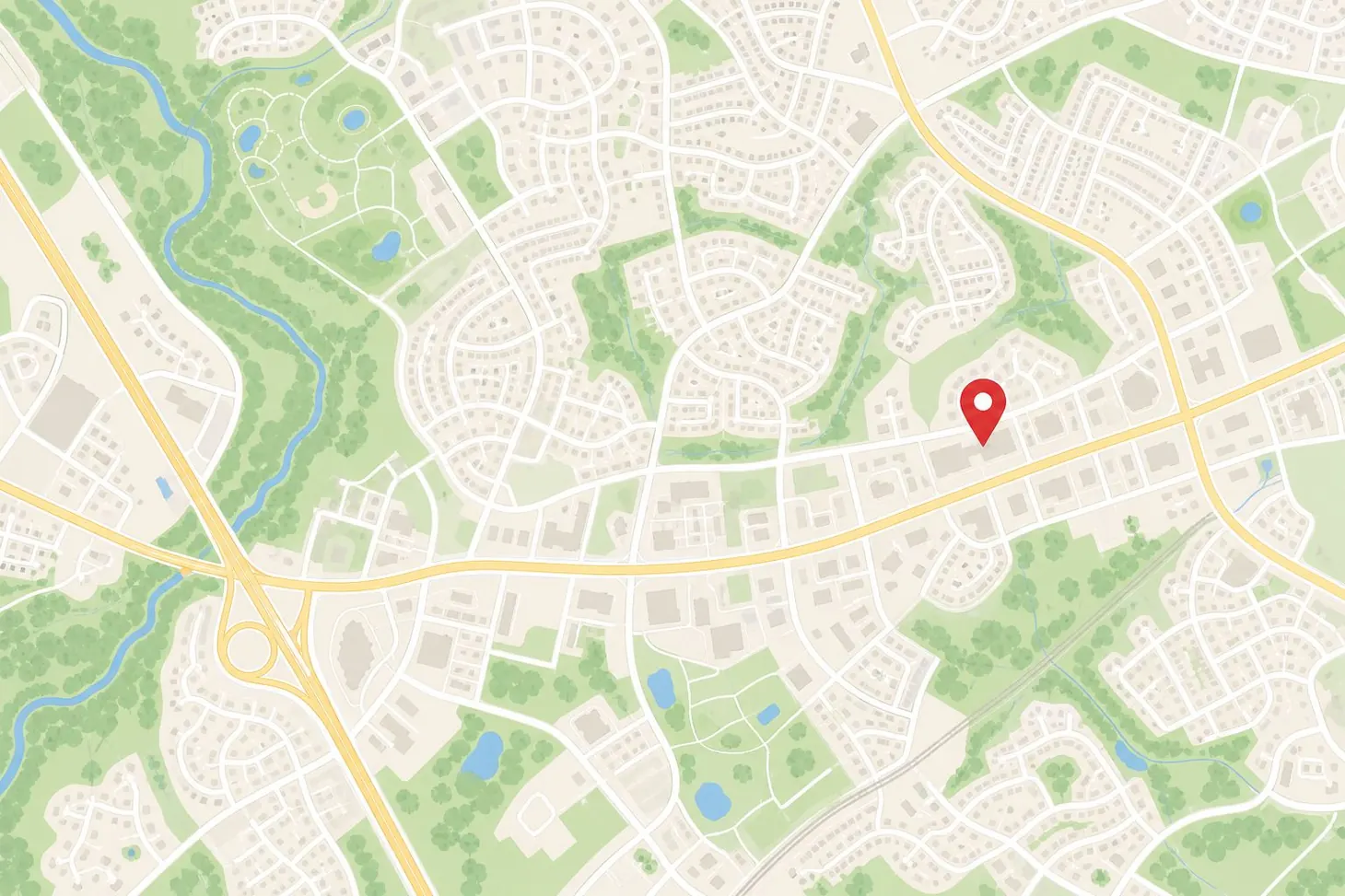
3555 Navarre Ave #12, Oregon, OH 43616, United States

Hi! I'm Tooth fairy! Your AI Assistant Ask me anything