After a tooth extraction, many people worry about pain and slow healing. They want clear tips on dry socket symptoms and prevention. Sharp pain, bad taste, and exposed bone can follow a lost blood clot.
One key fact is that dry socket, or alveolar osteitis, happens when the blood clot gets dislodged. This can raise dental pain and delay the healing process. Here you will understand the signs, pain relief options, and smart postoperative care.
Dry socket symptoms often surface a few days after tooth extraction. Pain becomes intense and radiates to the surrounding areas, especially the jaw and ear. Patients may notice an empty socket where the blood clot should form. A foul odor can develop, indicating possible infection or debris in the area.
Swelling and inflammation usually appear beside the extraction site. Some individuals report a bitter taste in their mouth as well, which adds to their discomfort. Postoperative care is crucial for managing these symptoms effectively; ignoring them can lead to further complications like alveolar osteitis. Early recognition helps patients seek that essential pain relief through proper dental care promptly.
After a tooth extraction, patients can take several steps to prevent dry socket and minimize pain. Keeping the blood clot intact is vital for healing. Avoid sucking on straws, as this action can dislodge the clot. Patients should also stay away from hard or crunchy foods during recovery to avoid irritation. A soft diet helps in managing any discomfort while promoting healing.
Maintaining good dental hygiene plays an essential role in preventing infection after oral surgery. Rinsing gently with warm saltwater can aid in keeping the extraction site clean without causing harm.
Following postoperative care instructions from dental professionals helps ensure a smooth recovery process and reduces the risk of complications like alveolar osteitis and gum inflammation.
Pain that worsens after a tooth extraction may signal dry socket symptoms. Swelling, bad breath, and an unpleasant taste often accompany this condition. Anyone experiencing severe pain or these symptoms should consult a dentist immediately. Postoperative care can prevent further complications like infections.
Dental professionals might use medicated dressings for relief. In some cases, they will prescribe medication to manage pain effectively. Ignoring persistent issues can lead to extended recovery times and increased discomfort during the healing process. Seeking professional help ensures proper treatment and improves overall outcomes in dental care.
Dry socket, or alveolar osteitis, follows a tooth extraction. It happens when the blood clot is lost or fails. You feel sharp dental pain and delayed healing. It is a common postoperative oral surgery problem.
You feel severe dental pain a few days after extraction. You may smell a bad taste or breath. You may see bone in the socket. You may have swelling and gum inflammation. These signs show a broken blood clot and stalled healing process.
Follow your dentist’s postoperative care rules. Do not smoke or use a straw. Do not poke the socket. Keep good dental care and oral hygiene. Your dentist may place medicated dressings to protect the clot.
Take pain relief pills your dentist recommends. Use cold packs to cut swelling. Rest and soft foods help the healing process. Follow pain management steps your dentist gives.
Call if pain gets worse after two days. Call if you see no blood clot or see bone. Call if you have fever or signs of infection. Quick care speeds recovery.
Dentists clean the socket and remove debris. They may place medicated dressings and give pain medicine. They may give antibiotics if infection is present. They will guide you on postoperative care and dental care for healing.
Tell us a little about what you need — we'll be in touch shortly.
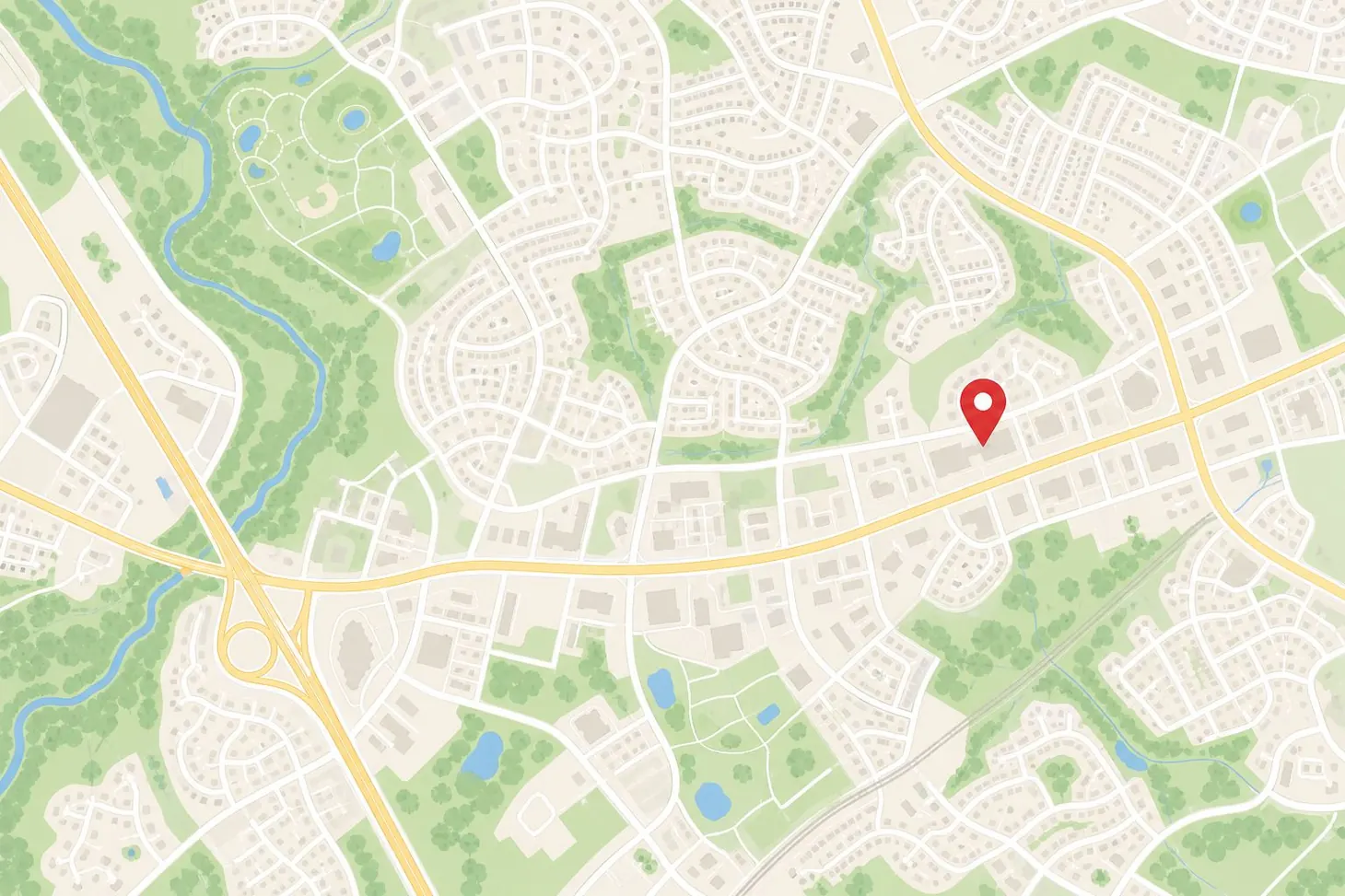
3555 Navarre Ave #12, Oregon, OH 43616, United States

Hi! I'm Tooth fairy! Your AI Assistant Ask me anything