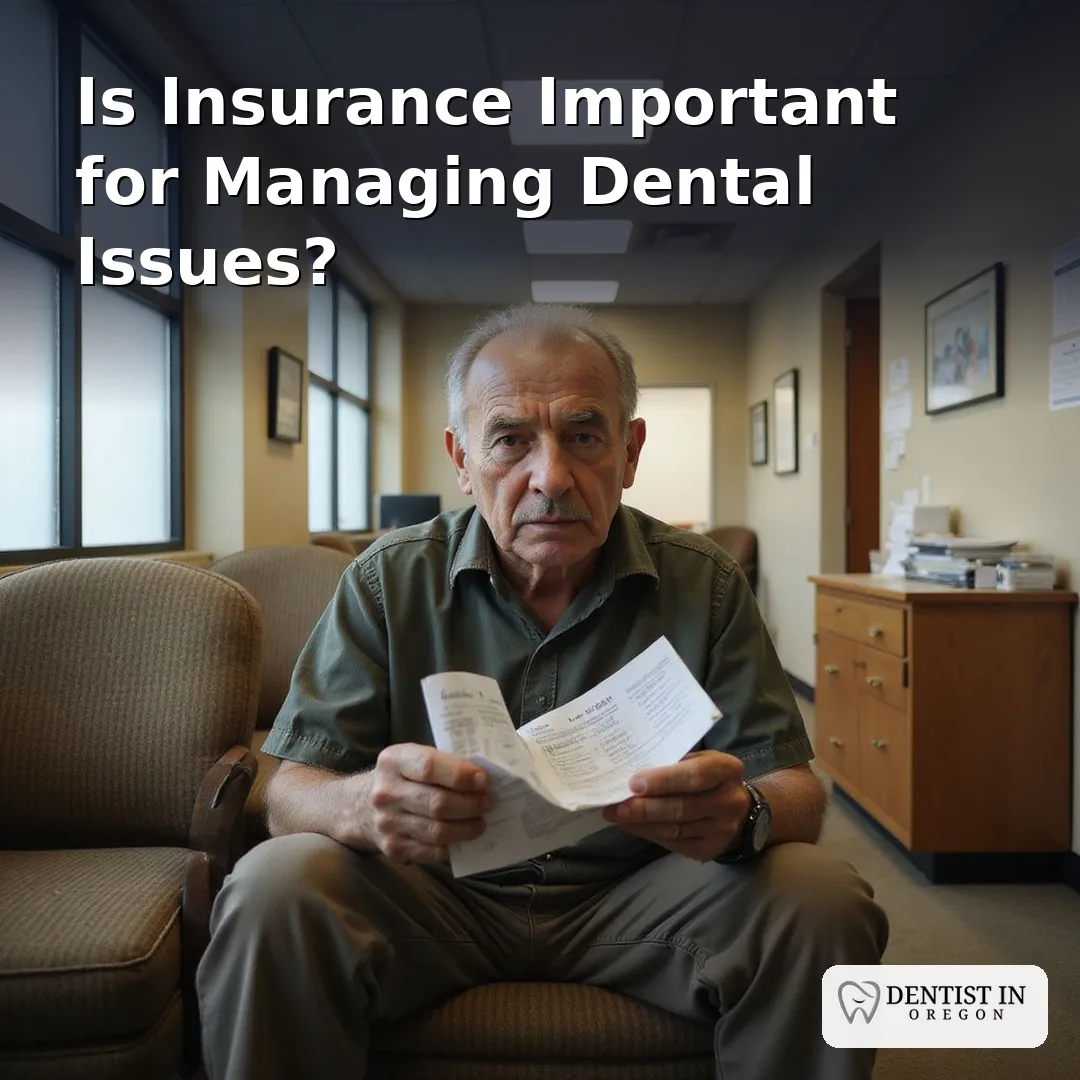
Many people fear a sudden tooth problem, and they delay calling a dentist. They worry about bills, and they do not know what to ask. This post looks at whether dental insurance can ease that worry, and how it helps with routine checkups and emergency care.
One fact matters, simple and clear. Regular preventive care cuts the chance of big, costly treatment. This article shows what dental insurance covers, the types of plans, and how coverage can lower out of pocket costs.
Dental insurance plays a big role in managing oral health. It often covers everything from routine check-ups to more serious treatments, making dental care more affordable for many people.
Preventive visits cover cleanings, exams, and X-rays, and many plans pay most of the cost. The writer recalls a checkup where the hygienist found a tiny cavity early, and a simple filling stopped a larger problem. Routine checkups keep oral health stable, and they lower treatment costs over time.
Insurers list preventive and diagnostic services under covered care to boost access to care and reduce surprise bills. A person who sees a dentist twice a year often avoids emergency dental work that can cost far more.
Regular visits support early detection, better treatment options, and clearer insurance coverage for routine care.
Basic and major dental services cover routine care and complex procedures that protect oral health.
| Service Type | What It Covers | Typical Examples | Patient Benefit | First-Hand Note |
|---|---|---|---|---|
| Basic Services |
|
|
|
|
| Major Services |
|
|
|
|
| Coverage Notes |
| |||
| Cost Examples |
|
Patients who used plans reported quicker care, less stress, and clearer choices. Next, the article will review types of dental insurance plans.
There are different types of dental insurance plans available. Some focus on individuals, while others cover entire families.
A clear choice can make dental care less stressful, and this overview helps people pick the right plan.
| Topic | Summary Points |
|---|---|
| Individual Plans | - Covers one person, usually lower monthly premiums. - Best for singles, students, solo workers. - Preventive visits often covered at 80 to 100 percent. - Basic procedures may have 50 to 80 percent coverage. - Major work, like crowns, often has 20 to 50 percent coverage, and may need waiting periods. - Annual maximums commonly range from $1,000 to $2,000, sometimes higher. - Good for predictable routines, check-ups, cleanings, and small fillings. |
| Family Plans | - Covers multiple family members under one policy. - Often costs more per month, but lowers total family spending. - Many plans cap family payouts per year, for example $2,000 to $5,000 combined. - Preventive care for children is usually fully covered, often at 100 percent. - Some plans waive waiting periods for kids on preventive services. - Good for families with kids who need fluoride, sealants, or braces consultations. |
| Cost and Savings | - Monthly premiums vary, from about $15 to $80 per person, depending on coverage. - Copays and deductibles apply, expect $25 to $50 for routine visits, higher for major work. - Out-of-pocket limits and annual maximums shape real cost savings. - Choosing in-network dentists can lower fees, and network discounts often cut costs by 10 to 40 percent. |
| Waiting Periods & Limits | - Some plans impose 6 to 12 month waits for basic care. - Major services may require 12 to 24 month waits. - Orthodontic coverage often has separate lifetime limits, for example $1,000 to $2,500. - Check annual maximums before scheduling costly procedures. |
| Choosing Between Plans | - Compare premiums, deductibles, annual maximums, and network size. - Match plan choice to likely needs, like braces or implants. - Read fine print for exclusions and frequency limits, for example two cleanings per year. - Ask about emergency coverage and out-of-network reimbursement rates. |
| Patient Perspective | - A longtime hygienist recalled a family who saved $1,200 in one year, after using preventive care and in-network discounts. - A new patient reported faster care, once an individual plan covered an urgent crown partially, reducing immediate cost shock. - Patients often feel calmer with coverage, they call it peace of mind, with a laugh. |
| Quick Tips | - Check if preferred dentist accepts the plan, call first. - Track visits to avoid unused benefits at year end. - Review coverage annually, adjust at renewal time. - Consider family plans if multiple members need frequent care. |
Dental savings memberships offer a great way to manage costs. They provide discounts on various dental services, often without the need for insurance. Members pay an annual fee and gain access to lower prices for routine checkups and treatments.
These plans work well for those who may not qualify for traditional insurance or prefer straightforward pricing. Patients can save money while still getting essential care like preventive services and emergency treatment. Clear benefits make these memberships appealing to many looking to support their oral health effectively.
Next, let's explore how dental insurance can lead to cost savings in overall dental care.
Dental insurance can save money on dental visits. It helps lower out-of-pocket costs. This means people can get care without breaking the bank. Plus, many plans offer access to providers who charge less for services.
Out-of-pocket expenses can be a burden. Dental insurance helps reduce these costs. Patients often pay less for check-ups, cleanings, and treatments. This means they save money over time. Many plans cover preventive care fully, so regular visits do not cost anything.
Access to in-network providers also cuts down on expenses. These dentists usually charge lower rates for their services. This is where dental insurance shines; it provides financial protection and makes dental care more affordable for everyone seeking help with their oral health needs.
Next, the topic will explore how insurance impacts overall health through encouraging regular dental check-ups and supporting early detection of issues.
Dental insurance often offers access to in-network providers. This means members can save more on dental care costs. Here’s what that looks like:
In summary, utilizing in-network providers saves money and also improves access to needed dental services, encouraging better overall oral health management.
Dental insurance plays a key role in keeping smiles bright and healthy. Regular check-ups help catch problems early, making treatment easier and less costly.
Regular dental check-ups keep smiles bright and healthy. Dental insurance helps people visit the dentist without worry. It covers routine exams, cleanings, and X-rays. This often leads to finding problems early.
For example, a person might discover a small cavity during a check-up instead of waiting for pain to strike. Early treatment is easier and cheaper than extensive work later. With insurance, these visits become part of regular care rather than an afterthought, ensuring better overall oral health in the long run. Next comes the importance of detecting issues early on before they grow into bigger problems.
Continuing from encouraging regular dental check-ups, dental insurance plays a big role in spotting problems early. With proper coverage, people can get routine exams and X-rays without breaking the bank. These visits help catch cavities or gum disease before they become serious issues.
Dental teams often find small problems during regular check-ups. They can suggest simple fixes that save time and money later on. Having insurance means access to crucial preventive care is easier.
This support helps keep smiles bright and avoids costly treatments down the road, helping maintain good oral health for everyone involved.
Choosing a dental insurance plan can feel like a puzzle. People should think about their needs and budget before picking one.
Finding the right dental insurance plan can be tricky. Many options exist, and not all may fit individual needs. Here are some important factors to consider:
Thinking about these factors will make selecting a dental plan much easier and more effective in managing oral health issues effectively and affordably.
Waiting periods and coverage limits affect treatment timing and cost.
| Topic | Key Points |
|---|---|
| Preventive Waiting Periods | - Most plans start preventive coverage immediately, often at 100%, no wait. - Cleanings, exams, and X-rays typically fall here. - A dental assistant observed many patients getting same-day covered cleanings in 2022. |
| Basic Services Waiting Periods | - Fillings and simple extractions may carry a 3 to 6 month wait. - Plans often cover 70% to 80% after the wait. - One patient waited 4 months for a covered filling, and paid 20% out of pocket. |
| Major Services Waiting Periods | - Crowns, bridges, and implants often require 6 to 12 months. - Coverage drops to 50% after the wait, commonly. - A clinician recalled a case from 2021 where a crown wait was nine months. |
| Orthodontic Waiting and Lifetime Limits | - Orthodontic treatment may have a separate waiting period, often 12 months. - Lifetime limits range from $1,500 to $3,000 for braces. - Families should plan for partial out-of-pocket costs for teens. |
| Annual Maximums | - Many plans cap benefits at $1,000 to $2,000 per year. - Costs above that cap fall entirely to the patient. - An office manager noted a patient hit a $1,500 cap after several fillings in 2020. |
| Frequency Limits | - X-rays and cleanings may be limited to twice yearly. - Periodontal visits can have separate limits. - Staff tracked a case where extra X-rays needed special approval. |
| Pre-Existing Conditions | - Some plans exclude pre-existing issues for months. - Coverage may require proof of diagnosis date. - A hygienist reported a patient with prior root canal facing a 12-month exclusion. |
| Coordination of Benefits | - Dual coverage can raise combined annual limits. - Primary and secondary plans split payments, lowering patient cost. - In one case from 2019, two plans cut a family bill by 60%. |
| How to Shorten Waits | - Choose plans with no wait for basic care. - Look for plans that credit prior coverage time. - A patient who switched plans in 2022 kept previous waiting time, and avoided a six-month delay. |
| Questions to Ask | - Ask about exact wait lengths for each service. - Request written limits, and annual maximums. - Verify if prior treatment dates reduce waits. |
Insurance helps cover the costs of dental care. It can save you money on check-ups, fillings, and even major procedures like root canals or crowns. Without it, these expenses can really add up.
There are several types of dental plans. Some focus on preventive care; others cover more extensive treatments. You might find plans that pay a portion of your costs or those with set fees for services.
Having insurance often guides your choice in dentists since some providers only accept certain plans. It's smart to check which dentists are in-network before signing up for a plan.
Yes, you can still receive quality care without insurance by looking into payment plans or discount programs offered by many clinics. However, having coverage usually makes managing unexpected dental issues easier and less stressful.
Tell us a little about what you need — we'll be in touch shortly.
3555 Navarre Ave #12, Oregon, OH 43616, United States
Hi! I'm Tooth fairy! Your AI Assistant Ask me anything