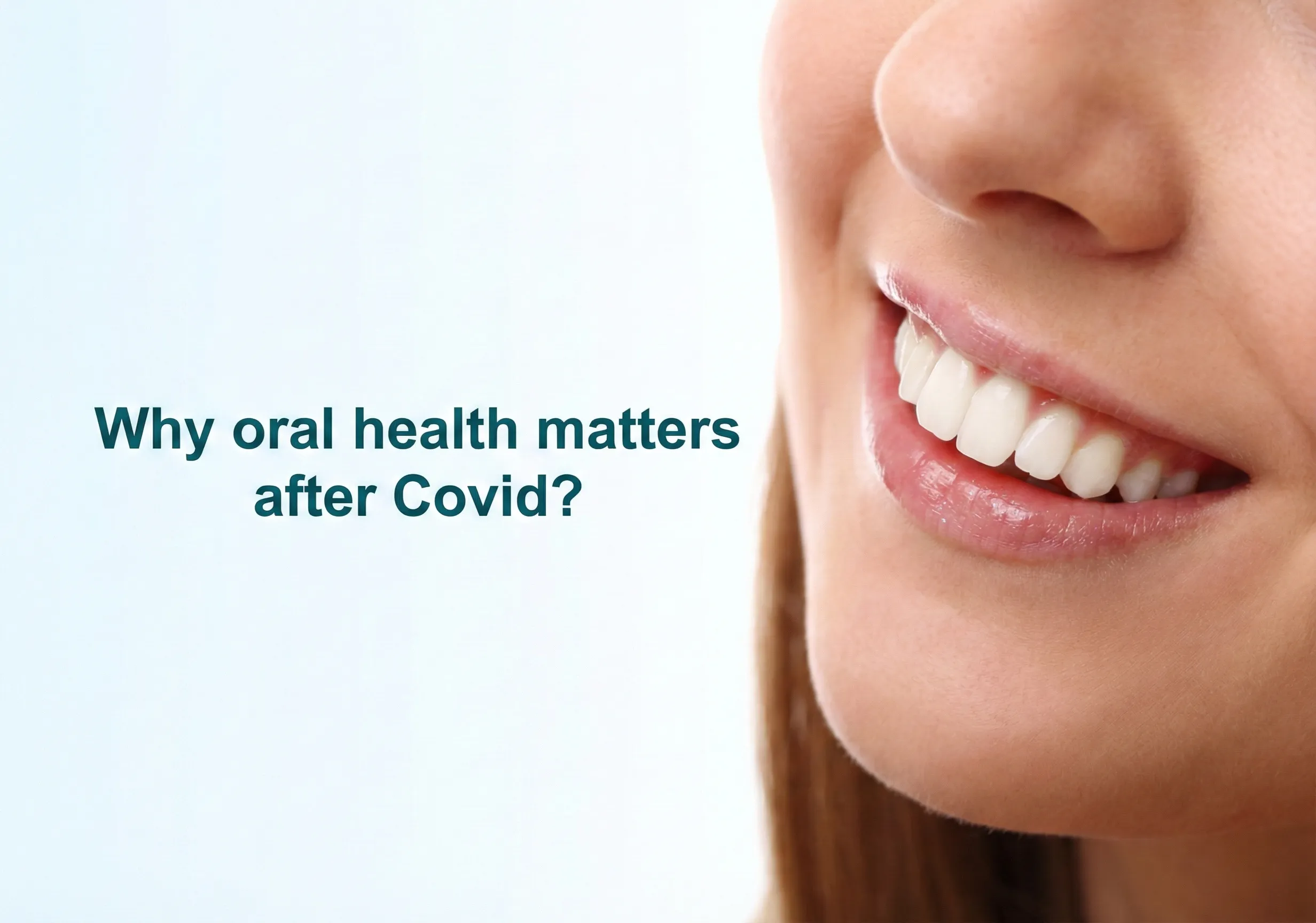
Mucormycosis has affected many countries in recent times, with a significant number of cases reported in India during the COVID period.
It is a serious fungal infection that has been observed more frequently in individuals who have recovered from COVID-19, especially those who required prolonged oxygen support or had weakened immunity.
At Dentist in Oregon, we believe awareness and early oral health monitoring play an important role in identifying warning signs and supporting timely medical care.
Mucormycosis is a fungal infection that primarily affects individuals with low immunity.
It has been seen more commonly in:
These factors can increase susceptibility to fungal infections, making close health monitoring essential.
In many cases, early symptoms may first appear in the oral cavity or facial region, which makes dental awareness important.
Common symptoms include:
Because fungi can enter the body through the mouth and nasal passages, maintaining good oral hygiene and recognizing early changes can support faster referral and medical evaluation.
Post-COVID care includes paying close attention to oral health. Certain medications used during COVID treatment may contribute to reduced immunity.
This reduction can allow bacteria or fungi to accumulate in the oral cavity, sinuses, or respiratory passages.
Recommended oral care practices include:
Good oral hygiene can have a positive cumulative effect on overall oral health during recovery.
Flossing and regular mouth rinsing help remove food particles trapped between teeth and are more effective when combined with brushing.
Dentists have also advised:
These steps may help reduce the risk of reinfection or spread of microorganisms within households.
At Dentist in Oregon, we focus on preventive dental care and early identification of oral changes that may require further evaluation.
Our team stays informed about current dental and medical considerations related to post-COVID recovery and guides patients on maintaining optimal oral hygiene.
If you have recently recovered from COVID-19 and notice any changes in your mouth, gums, or facial area, schedule a consultation with Dentist in Oregon for a professional evaluation.
Your oral health is an important part of your overall recovery.
Strong daily oral hygiene is your first line of defense — we'll tailor a routine to you at your next visit. Call 419-690-0320.
Mucormycosis is a serious fungal infection that can affect the sinuses, mouth, face, and eyes. It drew wide attention during the COVID-19 pandemic because it appeared in people recovering from the illness, particularly those with poorly controlled diabetes or weakened immunity. It can progress quickly, which is why early recognition of oral and facial signs matters so much.
Risk is highest in people whose immune defences are already compromised. That includes patients recovering from COVID-19, those with systemic conditions such as diabetes, and people taking medications that suppress the immune system. Healthy individuals with well-controlled medical conditions are at very low risk. Keeping blood sugar controlled and maintaining good oral hygiene are sensible protective steps.
Early oral signs include discoloured or patchy areas on the tongue, gums, or palate, along with inflammation inside the mouth. Facial symptoms often follow, such as swelling or heaviness around the eyes, a stuffy nose or sinus discomfort, severe facial pain, headache, or fever. Any of these appearing after a serious illness should be assessed promptly rather than watched at home.
Illness, medication, and a dry mouth can all let bacteria build up more easily, so oral hygiene deserves extra attention during recovery. Brushing twice daily reduces plaque and bacterial load, limiting sweetened foods lowers the risk of caries, and keeping the mouth clean helps maintain fresh breath. Replacing your toothbrush after an illness is another simple protective step.
Replace your toothbrush regularly, roughly every six months, and sooner if the bristles splay or if you have recently been unwell. Worn bristles clean far less effectively, and a brush used through an infection can hold onto microorganisms. Rinsing the brush thoroughly after use and letting it air dry upright, rather than storing it in a closed container, also helps.
Tell us a little about what you need — we'll be in touch shortly.
3555 Navarre Ave #12, Oregon, OH 43616, United States
Hi! I'm Tooth fairy! Your AI Assistant Ask me anything