Many people wake up with a bad toothache and fear a tooth infection. Pain, swelling, fever, or a visible abscess can make anyone worry about a dental emergency. Some infections can cause breathing difficulties, so they need quick attention. Others start as a small pain from tooth decay or gum disease.
A tooth infection can spread to nearby tissues if left untreated. Here you will know common symptoms, causes, and risk factors for infection.
Tooth infection symptoms often include severe toothache and noticeable swelling in the gums. Pain can radiate to the jaw or ear. A dental abscess may also form, which creates a painful pocket of pus. Fever is common as the body fights off infection. Oral health suffers when bacteria invade tissues.
Warning signs often appear quickly after infection begins. One might notice bad breath or an unpleasant taste in their mouth. Sensitivity to hot and cold can increase, leading to discomfort while eating or drinking. If these symptoms arise, seeking urgent care is crucial for proper evaluation and treatment with antibiotics if needed.
Tooth infections often arise from untreated tooth decay. When bacteria invade the inner part of a tooth, they can cause an infection. Gum disease also increases the risk of developing a dental abscess. Poor oral hygiene leads to plaque buildup, which can harm gums and teeth over time.
Certain factors make individuals more vulnerable to infections. For instance, those with weakened immune systems or diabetes face higher risks. A history of frequent cavities means a greater chance for future problems.
Pain from a previous toothache may signal an underlying issue requiring attention before complications occur. Understanding these causes helps highlight the importance of good oral health practices and routine dental checkups. The next section will explore common symptoms and warning signs associated with tooth infections.
Urgent dental care is necessary for severe symptoms that indicate a tooth infection. Pain that worsens or does not respond to over-the-counter medication signals the need for immediate evaluation.
Swelling around the gums or jaw can also hint at an abscess. A fever accompanying these symptoms suggests a serious infection.
Individuals should seek emergency dental care if they notice difficulty swallowing or breathing. These signs could mean the infection has spread, causing potential complications. Delaying treatment may worsen oral health and lead to more serious issues down the line. Prompt action ensures proper management of tooth infections and prevents further health risks.
Common symptoms are toothache, swelling, pain, and fever. You may see a dental abscess or pus by the tooth. These signs mean an infection needs care.
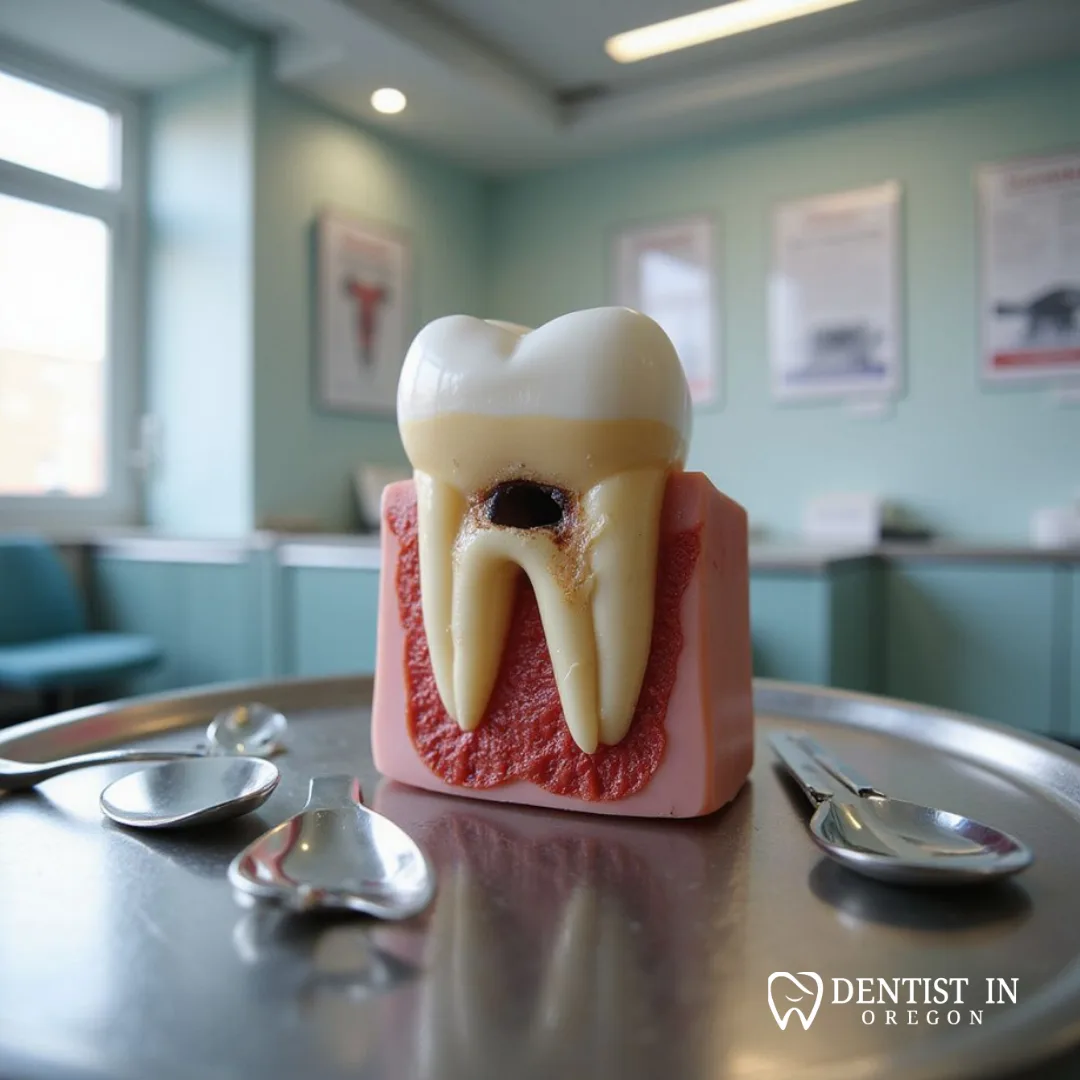
Bacteria enter the tooth after a deep cavity, crack, or bad filling. The infection can reach the pulp and form a Dental abscess.
Go to urgent care or emergency care if swelling spreads, breathing or swallowing is hard, or you have a high fever. Severe toothache with fast swelling can mean the infection is an Emergency.
A provider checks your mouth for swelling and Toothache. They may take X rays, find a dental abscess, and start treatment like antibiotics or drain the abscess.
Yes. Prompt care eases pain and stops the infection from spreading. You may need antibiotics, a drain, or dental work to fix the tooth.
Tell us a little about what you need — we'll be in touch shortly.
3555 Navarre Ave #12, Oregon, OH 43616, United States

Hi! I'm Tooth fairy! Your AI Assistant Ask me anything